Implementation Area
Project Timeline
Overall Goal
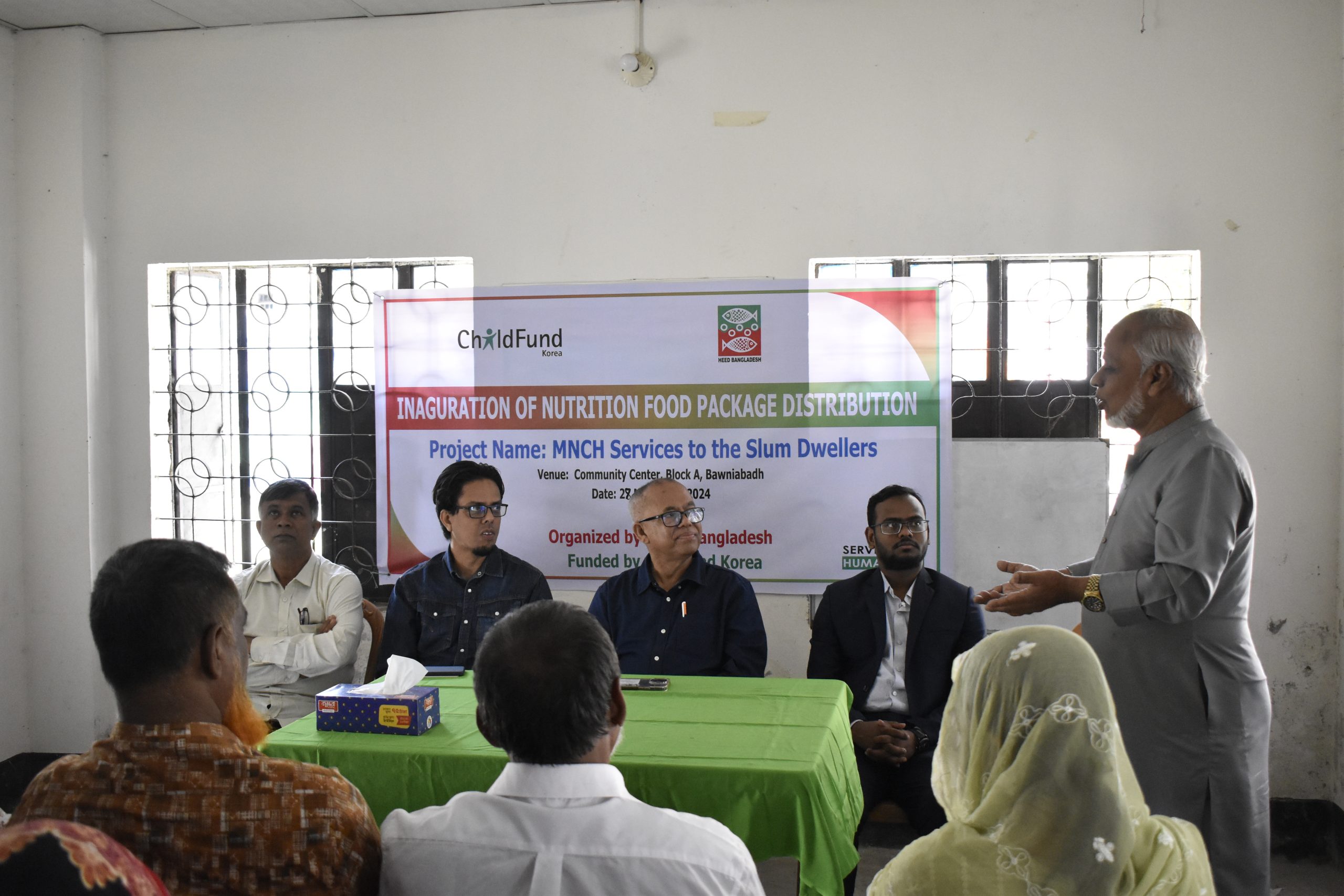
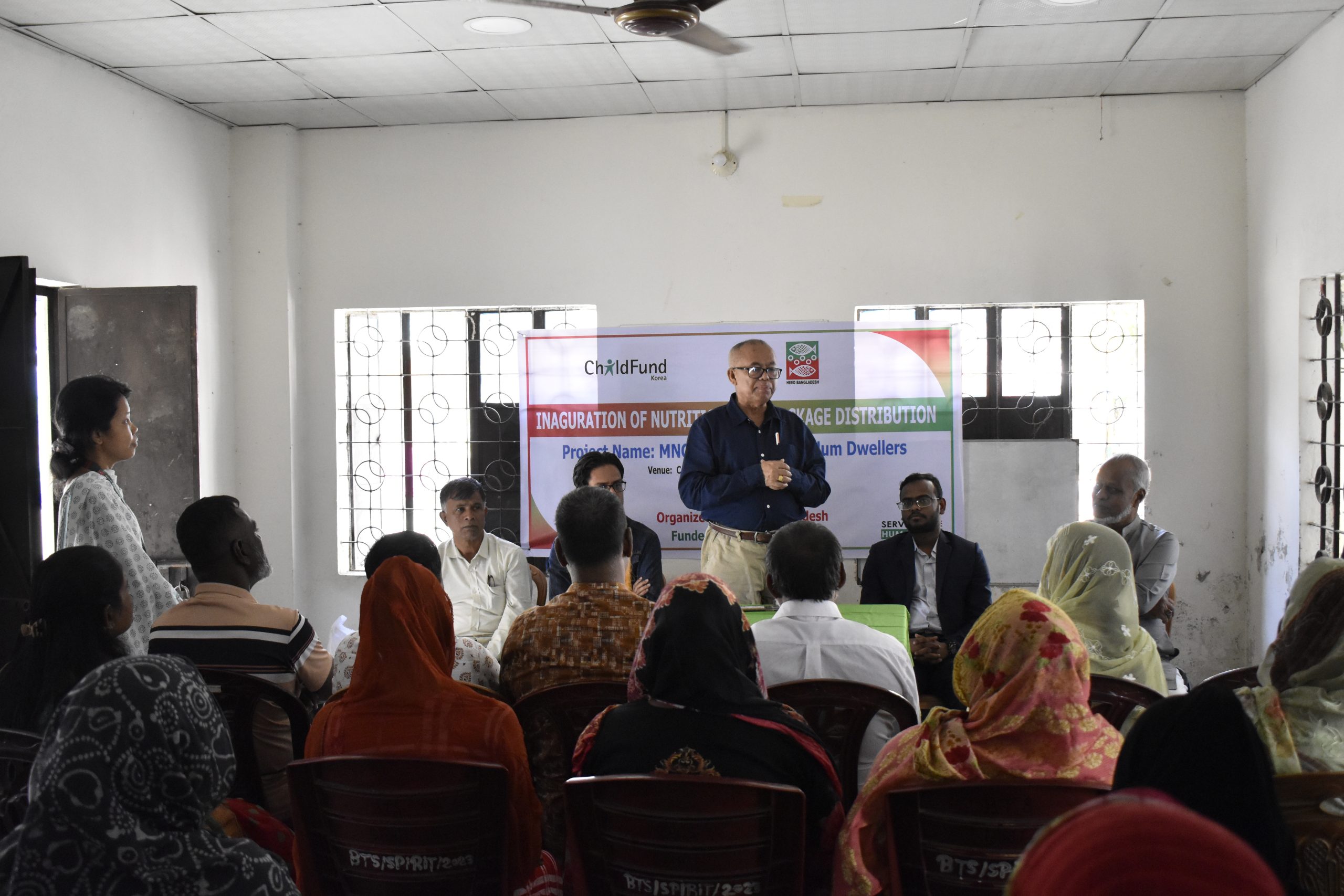
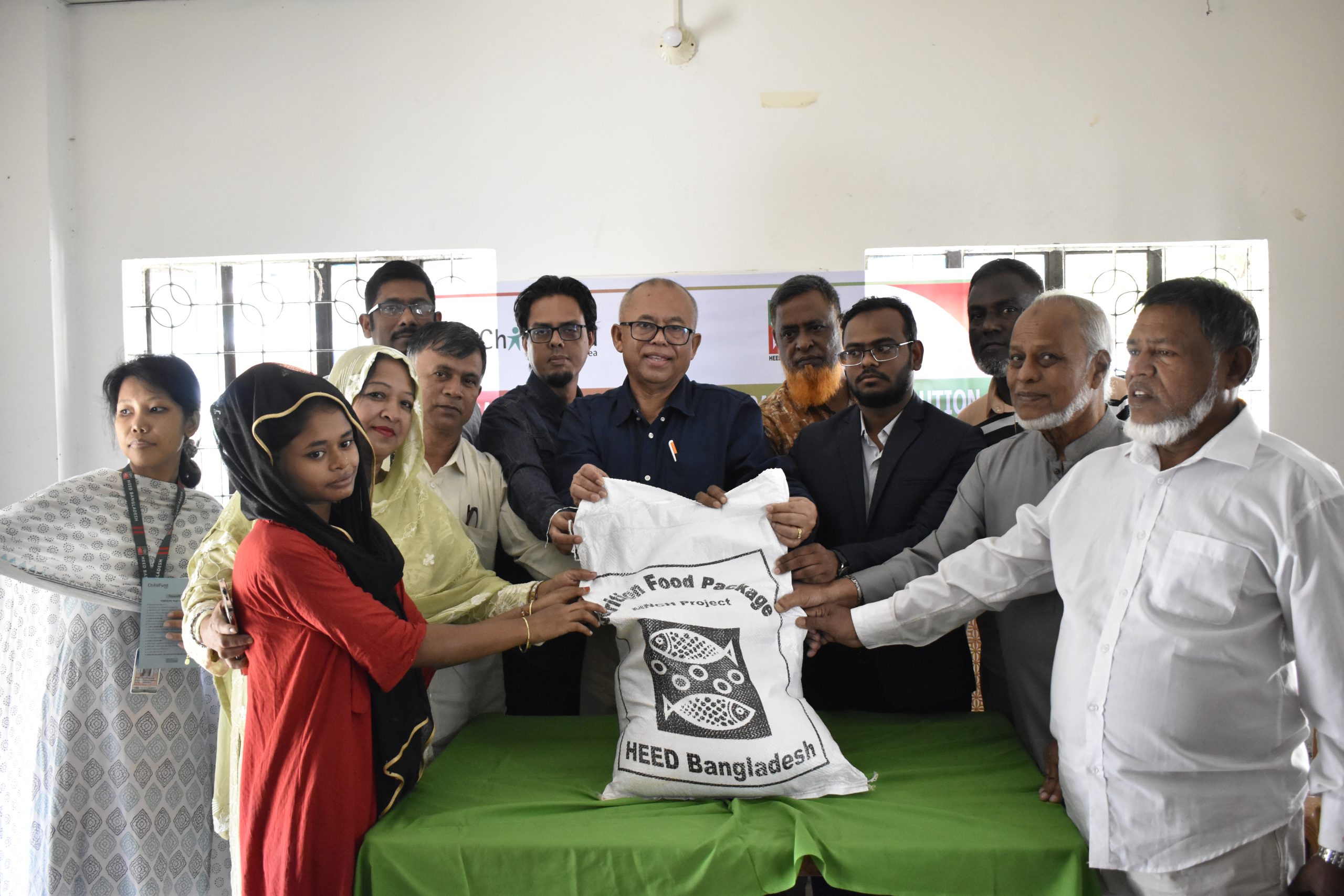
Project Name:
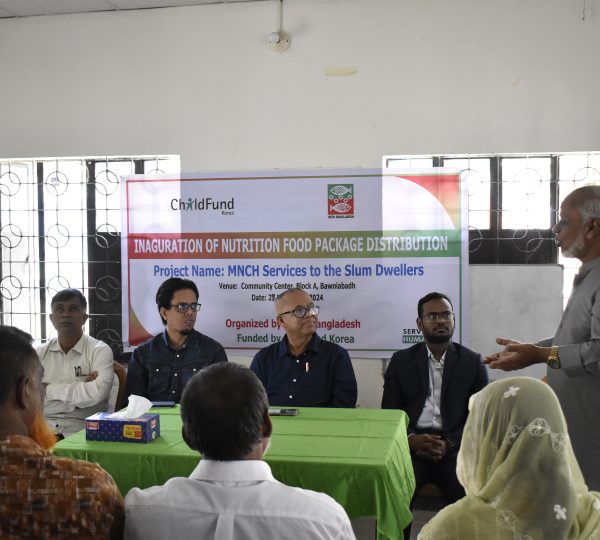
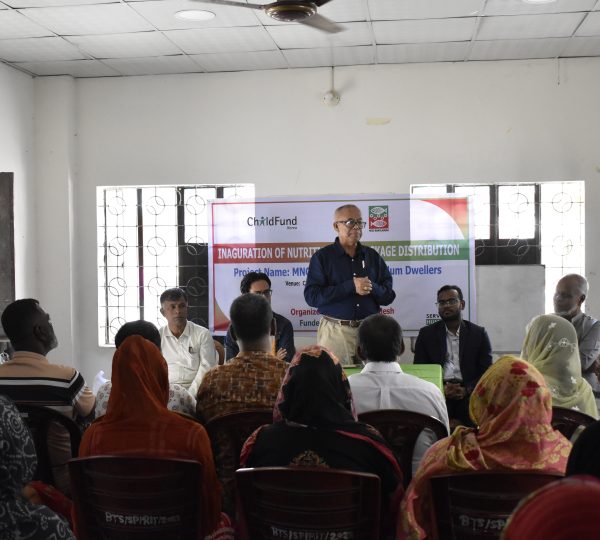
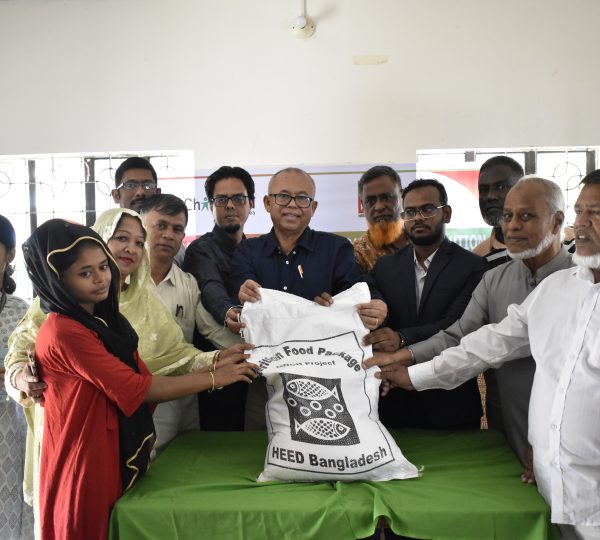
MNCH Service for the Slum Dwellers
Implementation Area
Project Timeline
July 2024 – December 15, 2025
Target Beneficiary
The project revolves around 350 mothers and their babies as main beneficiaries.
Total Project Budget
The project revolves around 350 mothers and their babies as main beneficiaries.
Background & Rationale
Dhaka, Bangladesh’s capital and one of the world’s most densely populated cities, had 23.21 million people in 2023 with a density of 30,911/km². Around 1.8 million people, 37% of the city’s population live in slums, mostly on occupied government land, where basic services such as WASH, healthcare, and education are absent. Maternal and child health outcomes are alarming in these areas. Though Bangladesh reduced its Maternal Mortality Ratio (MMR) by 38% between 2000 and 2022 (from 41 to 156 deaths per 100,000 live births), 71% of births still occur at home and only 4% are attended by skilled providers. Obstetric hemorrhage causes one-third of maternal deaths, while eclampsia accounts for 20%. Infant mortality reached 22.6 per 1,000 live births in 2022, with neonatal mortality rising to 20 in 2023. Malnutrition worsens risks, with 33% of pregnant women underweight and 42% anemic.
Therefore, this project is to ensure Maternal Newborn and Child Health (MNCH) supports and related supports especially in the slum areas in Mirpur, Dhaka. The direct targeted beneficiaries are the 350 pregnant mothers and their children, 10 practicing midwives of the communities. The indirect beneficiaries are the family members of the registered mothers, the community leaders, people living in the slums, local government officials and the government staff. Total beneficiaries including both direct and indirect beneficiaries will be 13,002. The project will reach 547 direct beneficiaries and 925 indirect beneficiaries in 2024 and similarly 605 direct and 10,925 indirect beneficiaries will reach in 2025.
Overall Goal
To improve maternal, newborn, and child health in the slum.
Outcome
- Ensure access to MNCH services and minimize nutritional deficiency of the pregnant mothers and infants in the slum
- Ensure safe delivery, infants and neonatal care through skill development of the midwives, caregivers and CHWs
- Advocacy programs with the local government officials, government officials and community leaders
Activities
1.1.1 Develop comprehensive beneficiary profiling (health card) to ensure better and systematic health services.
1.1.2 The CHWs will ensure door-to-door basic healthcare services and promote good practices through knowledge sharing.
1.1.3 MoU with the hospitals for providing medical services and safe delivery services to the registered beneficiaries.
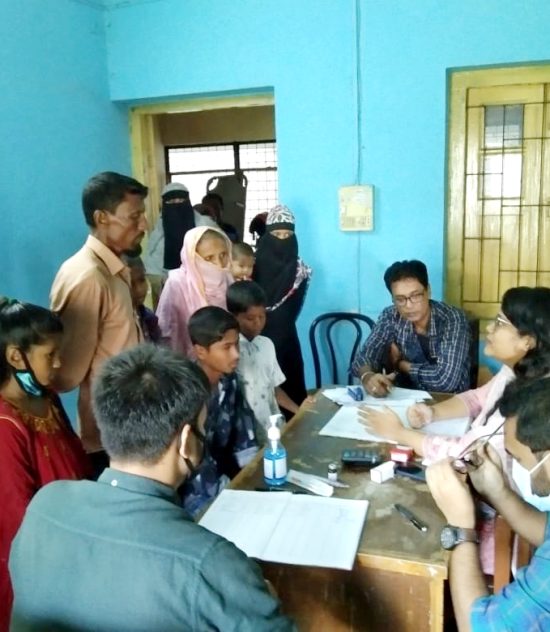
1.1.4 Community Health Workers (CHW) will ensure that at least 4 routine health checkups of the pregnant mothers and their infants have been done with medical practitioners to ensure necessary medication follow-ups. Arrange immunization support through government authorized immunization centers.
1.2.1 300 pregnant mothers will be taken to the hospitals for safe delivery.
1.4.1 Train 80 local women/teens as “Safe Ambassadors”/” Motherhood Ambassadors” to promote antenatal care and safe delivery practices within their communities.
1.5.1 Establish an emergency hotline for pregnant women to access medical advice, ambulance services, or urgent care in case of emergencies.
1.6.1 Provide Hygiene Kits to be aware about safe water and vector borne disease to pregnant women for improving safe water and hygiene related during pregnancy to prevent infections
2.1.1 Provide skill development training to the community-based midwives on safe delivery and MNCH.
2.2.1 Provide training to the CHWs on MNCH
2.3.1 Conduct workshops for 150 Caregivers and male family members on their roles in supporting maternal and child health, encouraging shared responsibilities during pregnancy and after childbirth.
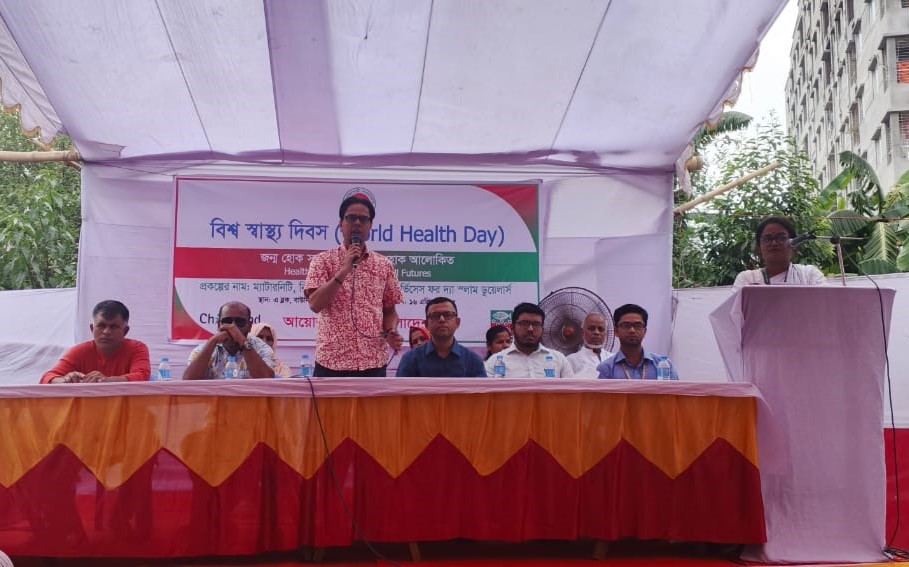
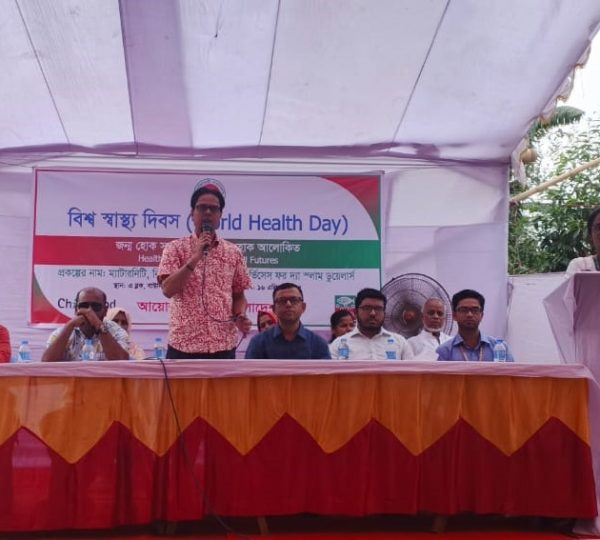
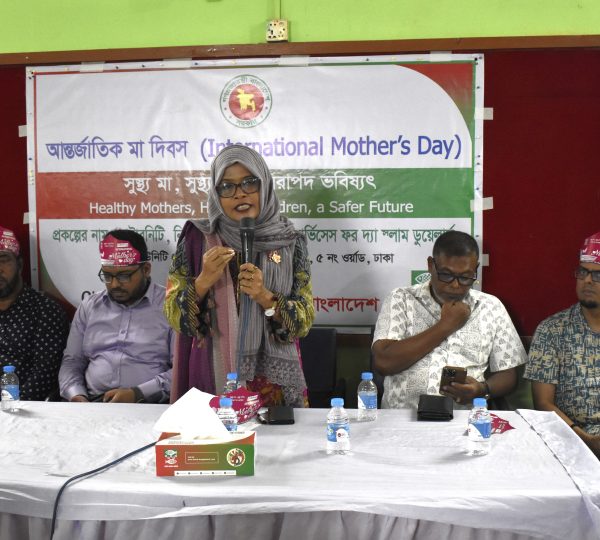
3.1.1 Advocacy meetings to enhance the access of MNCH services in slum will be held with government health facility staff and local government officials.
3.1.2 Inception meeting with Governments and Non-Government officials
3.2.1 A Behavior Change Communication (IEC/ BCC) Tool Kit on MNCH will be developed based on government guidelines and latest available information]
3.3.1 A Health Management Team (HMT) will be formed, including the Project Coordinator, community representatives, HO staff to supervise and monitor the CHWs health care services to the beneficiaries
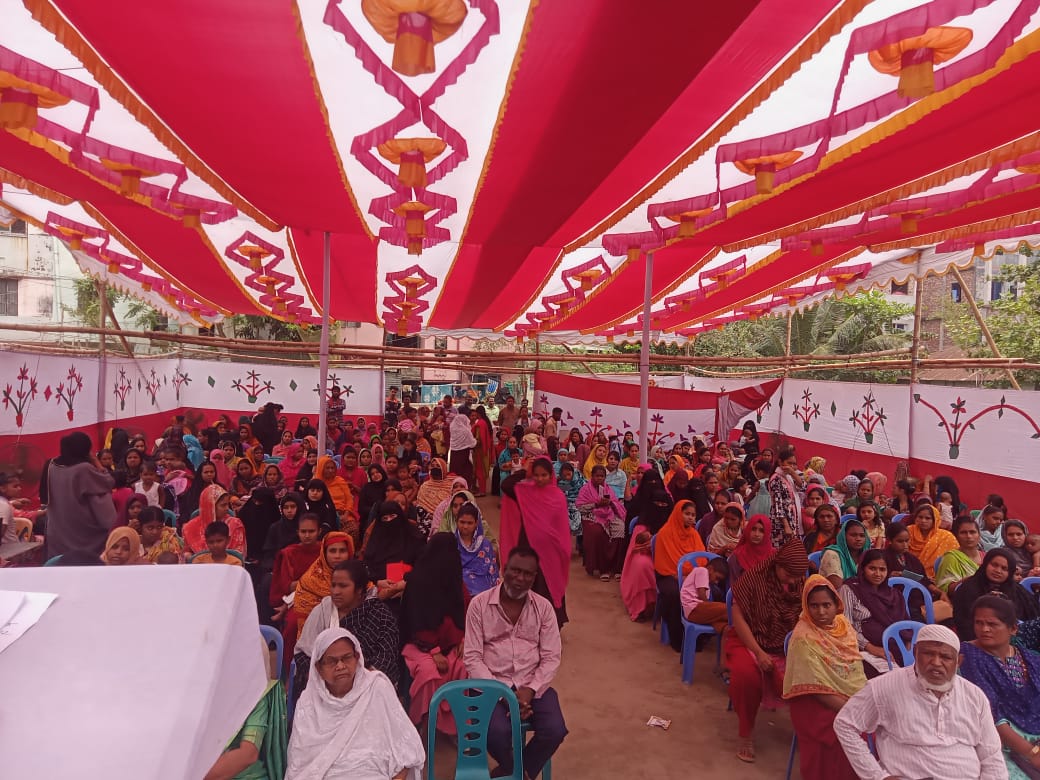
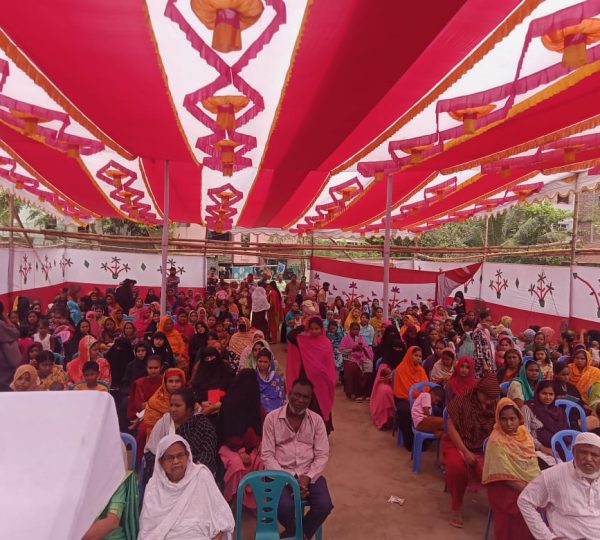
3.4.1 MNCH awareness campaigns will be conducted
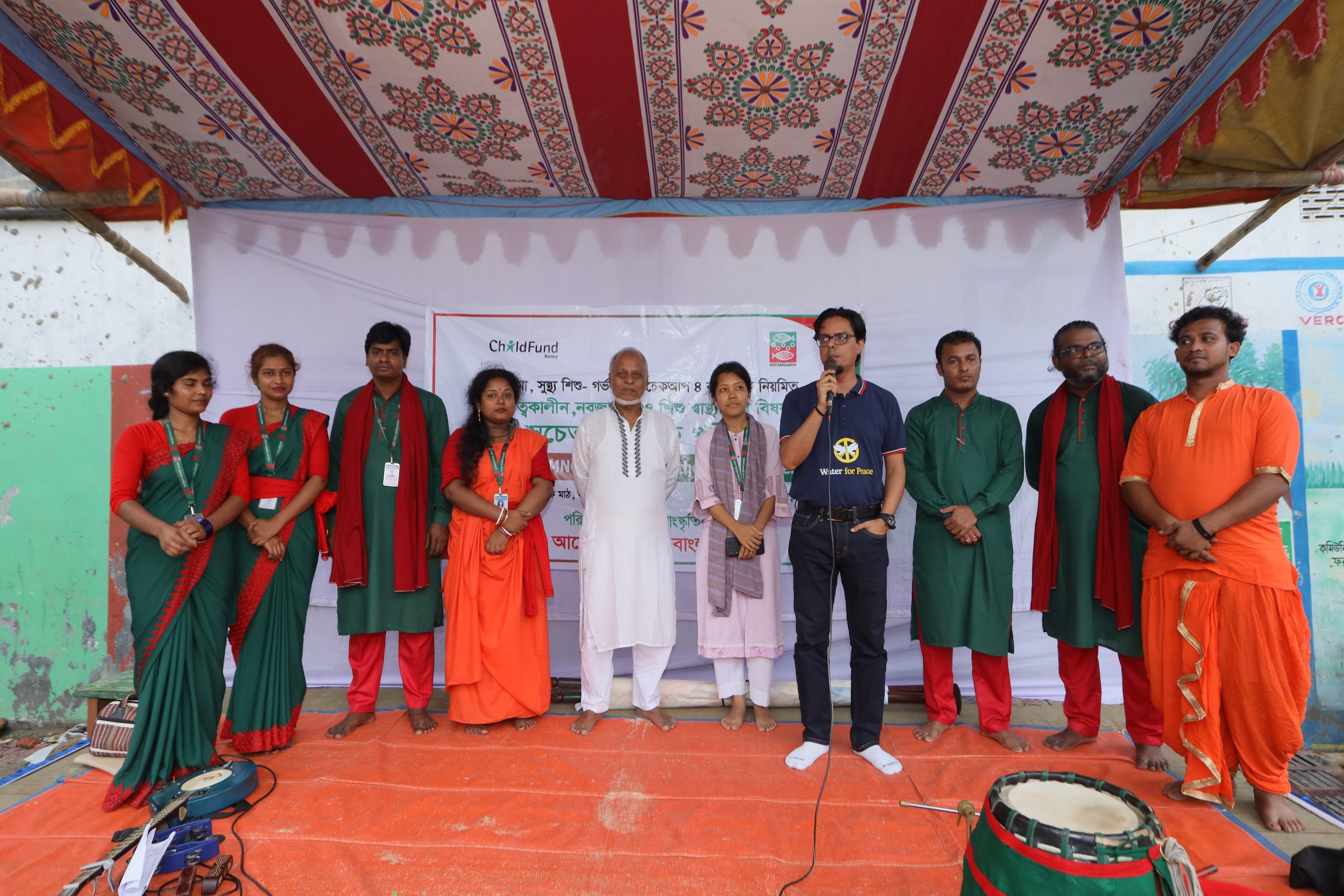
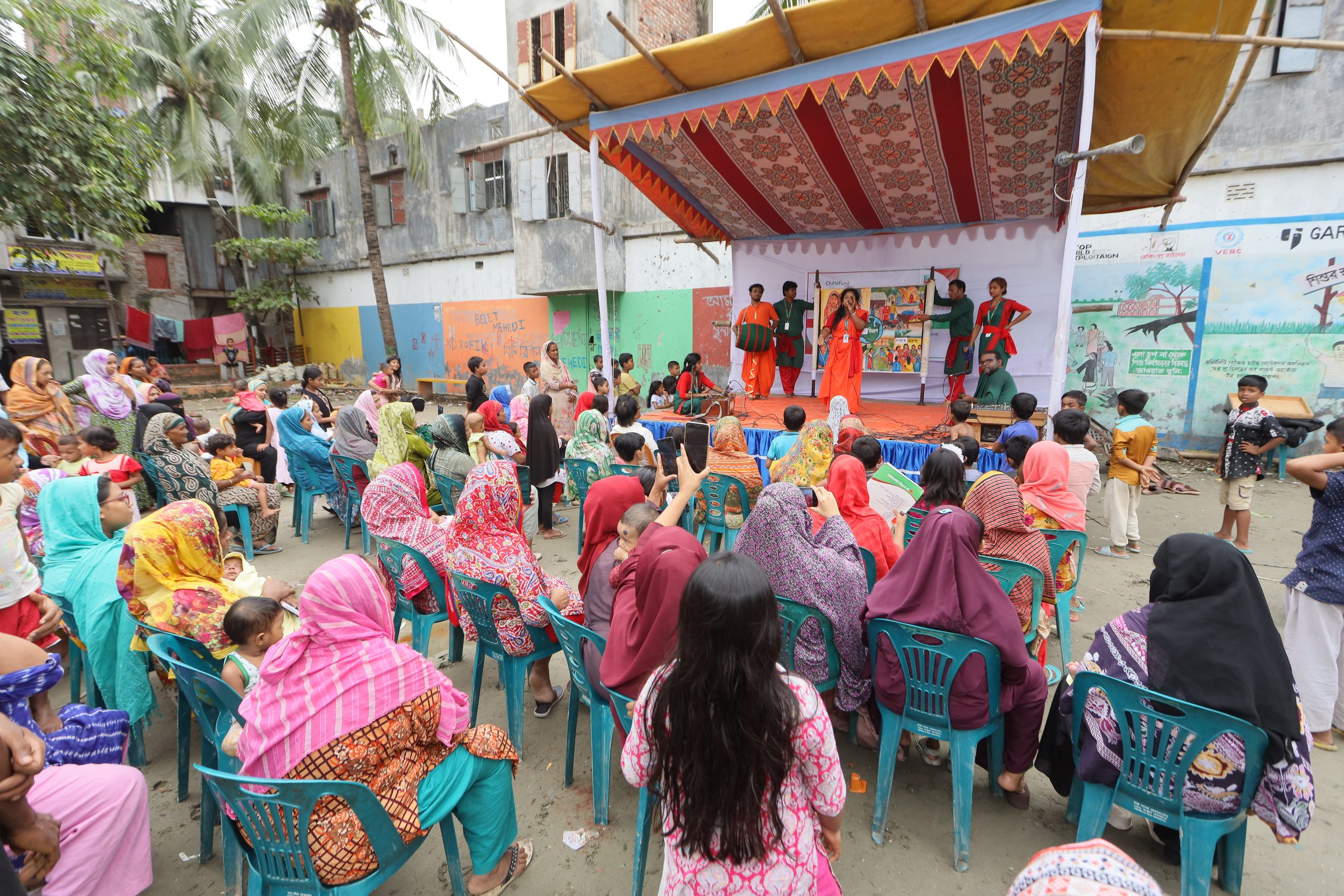
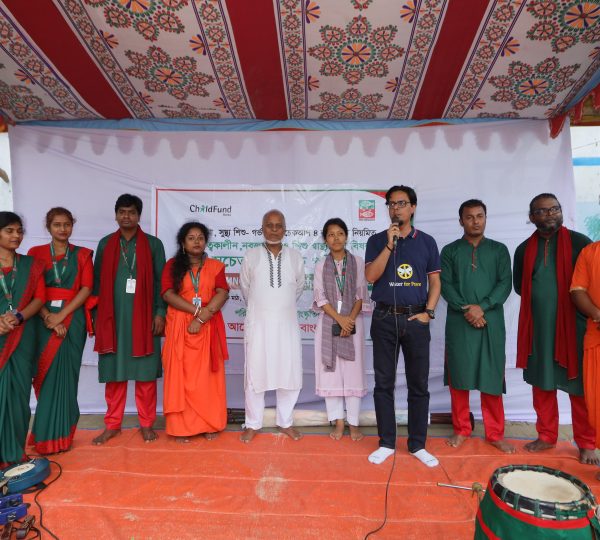
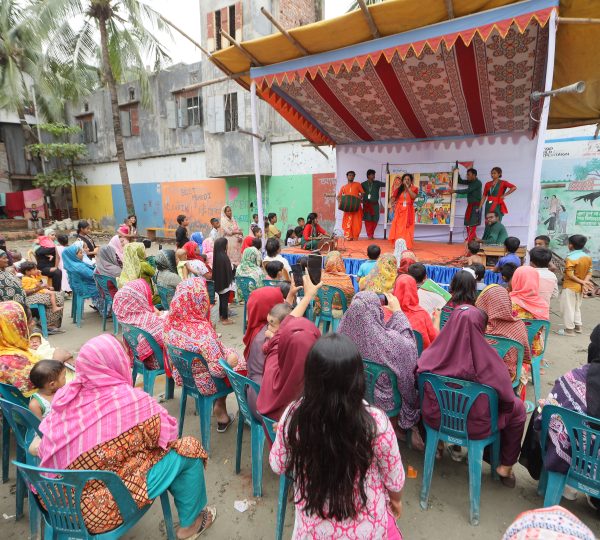
3.4.2 Edutainment through POT (Popular, Original, and Traditional) Song on Maternal, Newborn, and Child Health (MNCH) awareness