

Project Name:
Reducing Arsenic Contamination and Water borne diseases by improving Access to WASH Conditions in Noakhali, Bangladesh.
Background:
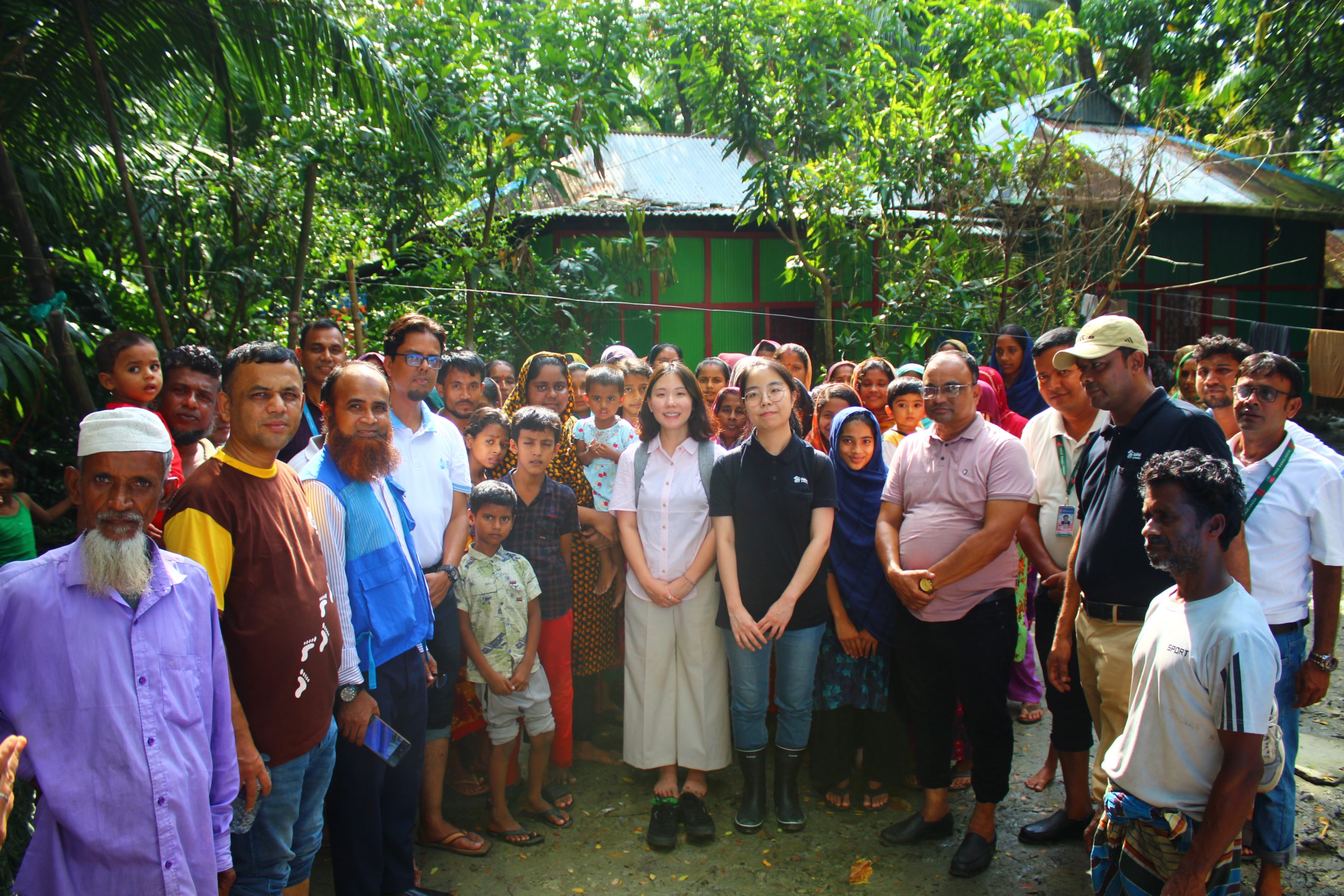
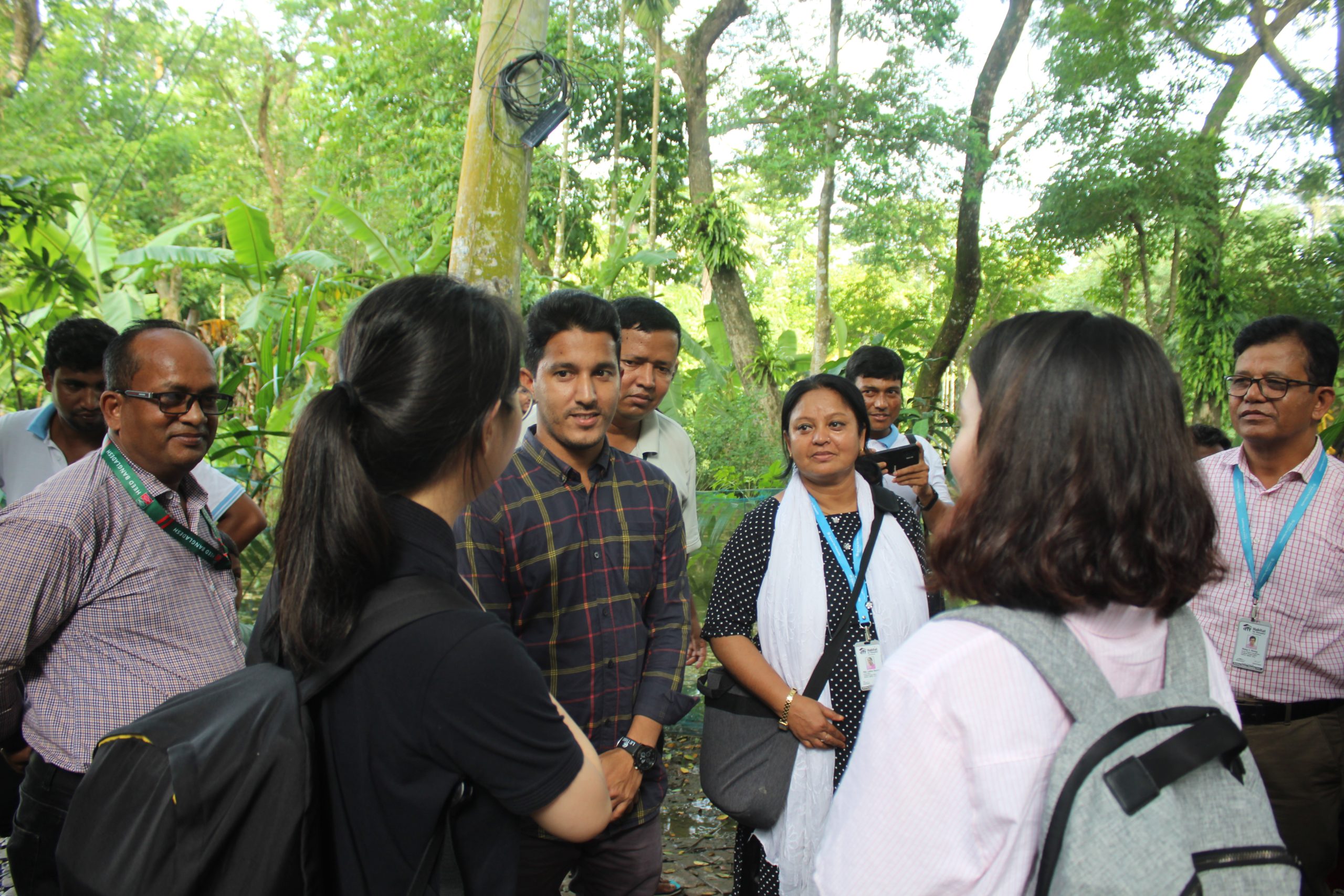
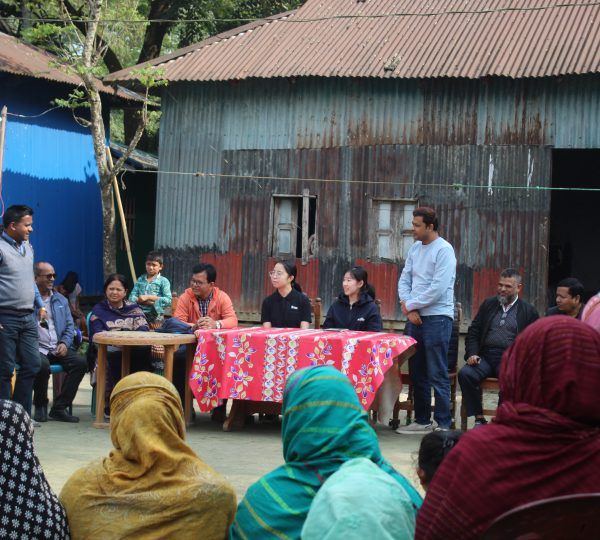
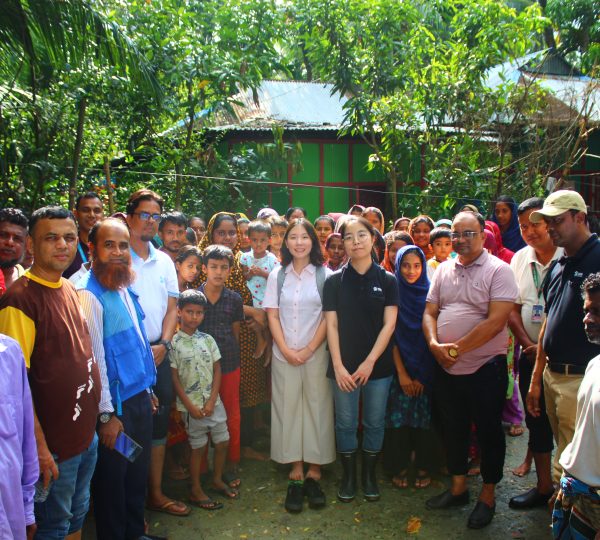
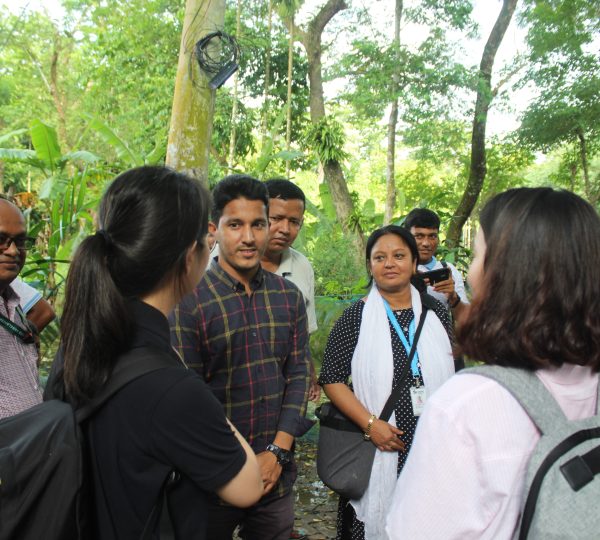
Arsenic contamination in ground water has become as one of the most serious issues associated with public health in Bangladesh. In Bangladesh, the arsenic contamination was first identified in the tube well water in 1993. In 2002 and 2003, a total of 4.7 million tube wells in Bangladesh were screened for arsenic. Of those, 1.4 million tube wells were found to contain arsenic above the Government drinking water standard of 50 microgram per liter. Due to arsenic exposure and its adverse effects on health, more than 24,000 adult deaths annually (The national drinking-water quality survey 2009). Noakhali district is among the highest arsenic exposure area with 69% prevalent rate (DPHE). Based on the need assessment report and secondary data analysis the problems to be changed have been identified. Since March 2023, HEED Bangladesh has implemented the project with the support of Habitat for Humanity Bangladesh and funding from KOICA.
Goal:
The marginalized community people who are affected and at high risk of arsenic borne diseases have improved healthy living status through arsenic mitigation measures.
SDG: Sustainable Development Goals
- Ensure healthy lives and promote well-being for all at all ages
- Ensure availability and sustainable management of water and sanitation for all
Project Duration:
15 March 2023 – 31 December 2025 (33.5 months)
– 1st year: 15 Mar 2023 – 31 Dec 2023
– 2nd year: 1 Jan 2024 – 31 Dec 2024
– 3rd year: 1 Jan 2025 – 31 Dec 2025
Project Start Date:
15th March, 2023
Total Project Budget:
BDT 166,038,563
Geographical coverage:
- 5 Union of Noakhali Sadar Upazila: Andarchar, Ashwadia, Binodpur; Char Matua and Kaladarap Union
- 1 Union of Subarnahar Upazila: Char Clerk Union
Objectives:
- Target communities are mobilized with increased leadership and operation & maintenance (O&M) skills
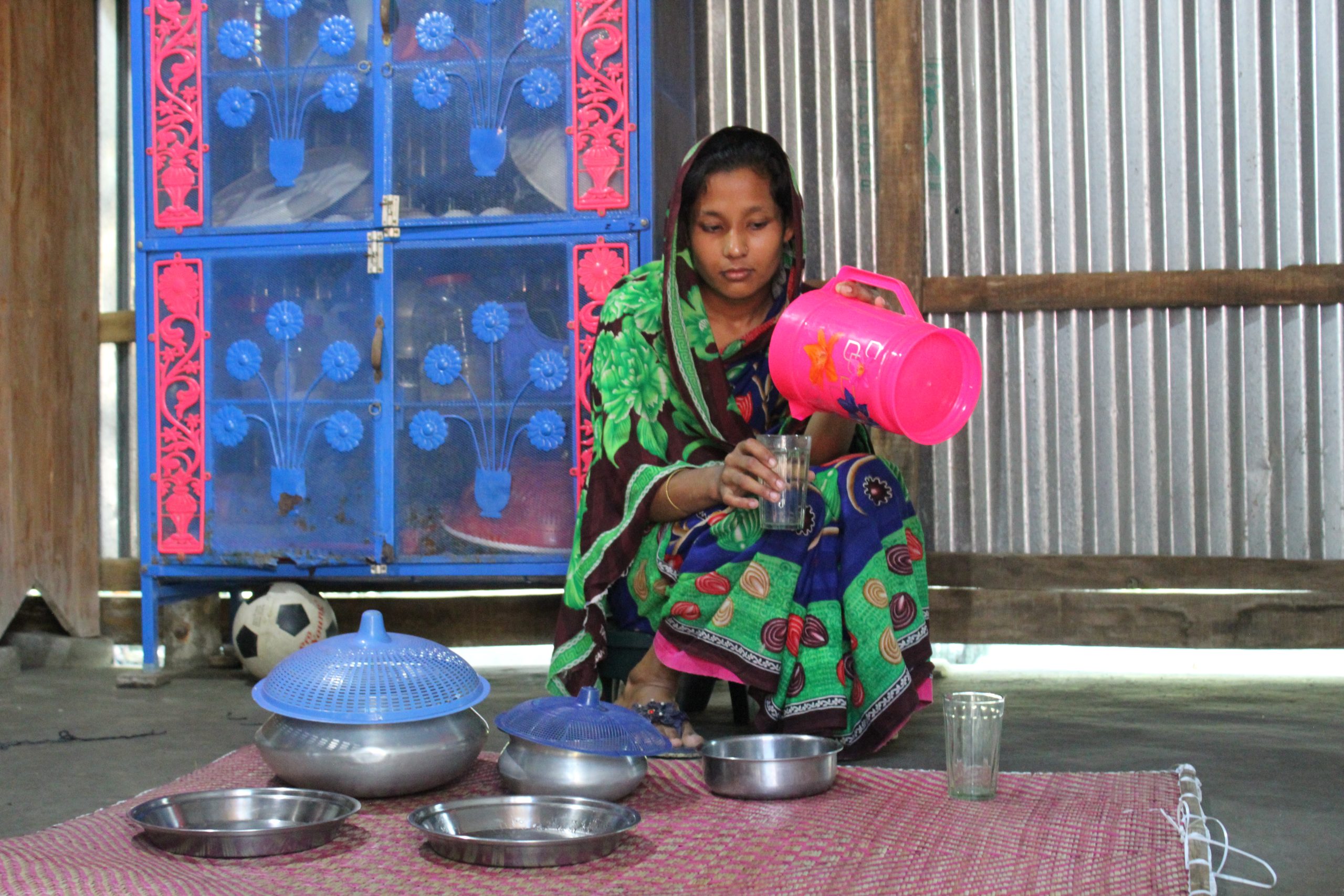
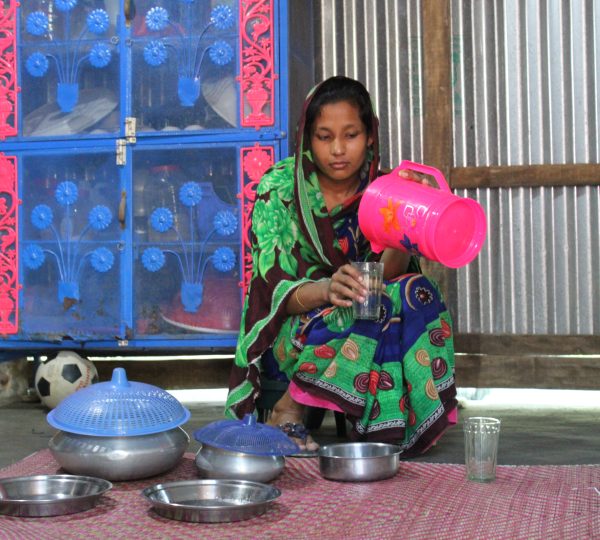
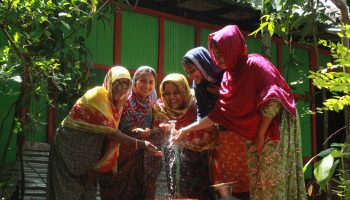
- Improved access to safe drinking water and community managed water supply & purification system
- Enabling environment created for linkages between government WASH scheme and house hold
- Improved sanitation practices and WASH behavior of vulnerable community people
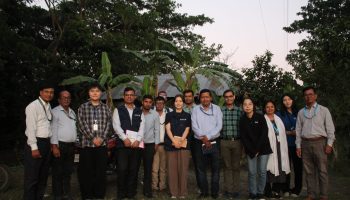
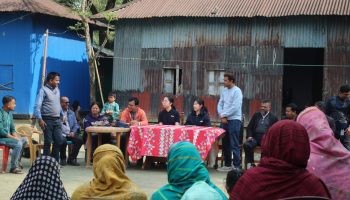
Main activities are as follows:
1.1.1. Form Arsenic Action Group (AAG) with at least 50% women participation
1.1.2. Organize leadership and advocacy training for WASH committee members to manage AAG and advocacy & coordination with government service providers
1.1.3. Provide training to AAG members to prevent arsenic and water borne diseases
1.1.4. Provide skill training for AAG members for operation and maintenance of newly built water facility (including Safe water preservation and monitoring)
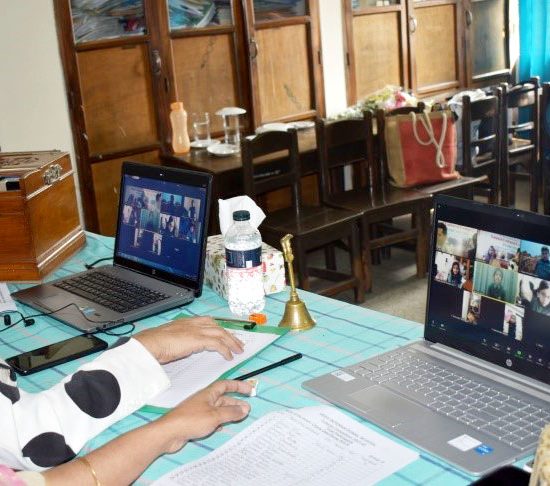
1.1.5. Organize quarterly meetings of AAGs to discuss challenges, mitigation measures and coordination
1.2.1. Conduct mapping of existing water resource (both safe and unsafe water source)
1.2.2. Develop arsenic mitigation plan to improve clean drinking water supply for target communities (based on mapping), and sharing meeting with government
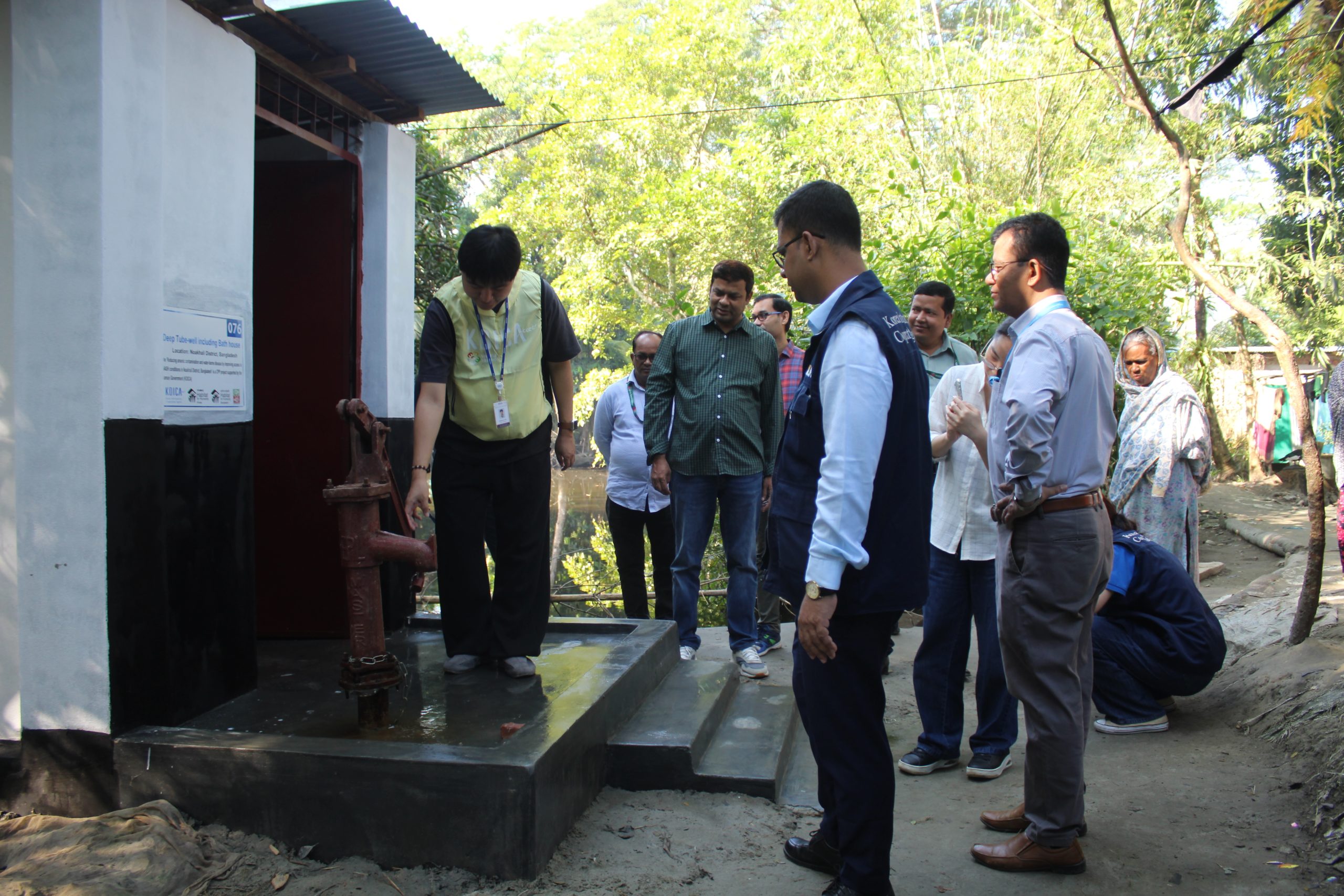
1.2.3. Install arsenic safe water facilities for the marginalized community people
Deep Tube wells (including bath house)
Arsenic removal plant
Rainwater harvesting (household level)
Rainwater harvesting (community level)
1.3.1. Conduct water quality test for tube wells focusing on arsenic contamination
1.3.2. Purchase Arsenic field test kit and providing training
2.1.1. Construct household level sanitary toilets for the marginalized households
3.1.1. Provide training to community people to prevent arsenic and water borne diseases
3.1.2. Awareness raising IEC materials disseminate to community people to prevent arsenic and water borne diseases
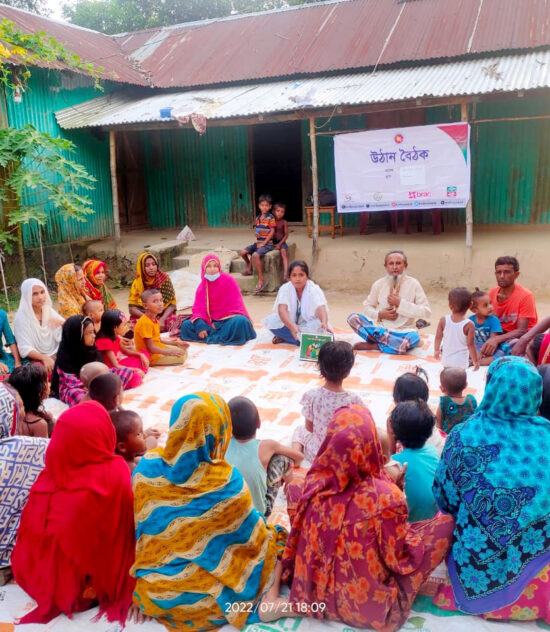
3.1.3. Organize courtyard meeting with female group for awareness and behavior change to prevent arsenic and water borne diseases
3.1.4. Organize events (pot song, street drama etc.) for community people for awareness and behavior change to prevent arsenic and water borne diseases
3.1.5. Observe national and international Day (World Water Day, Sanitation Month etc.) for awareness raising on arsenic and water borne diseases
3.2.1. Organize orientation session with Upazila level health department for capacity building to improve governance
3.2.2. Provide capacity building training to community members (health promoters) to facilitate linkages with stakeholder/government schemes
3.2.3. Workshop with Union level government, community leaders and relevant stakeholders to prevent arsenic contamination and governance
3.2.4. Half-yearly meeting with DPHE, local government and other relevant stakeholders for improved coordination and continued arsenic safe clean water support services and M&E
HEED Project working Area:
Sadar Upazila and Subarnachar Upazila, Noakhali District.
Target of Activity up to June 2025:
Conclusion:
The “Reducing Arsenic Contamination and Waterborne Diseases by Improving Access to WASH Conditions in Noakhali, Bangladesh” project serves as a vital intervention aimed at mitigating critical public health risks in Noakhali region heavily effected by unsafe and contaminated water sources and poor sanitation. HEED Bangladesh implementing the project for the communities in Noakhali which includes the installation of arsenic-free water infrastructures, promotion of hygiene practices and the development of safe sanitation infrastructure. This initiative not only addresses the immediate arsenic and waterborne disease threats but also promotes long-term behavioral change and community resilience.